
Sugar Cane Burning in NSW
Overview
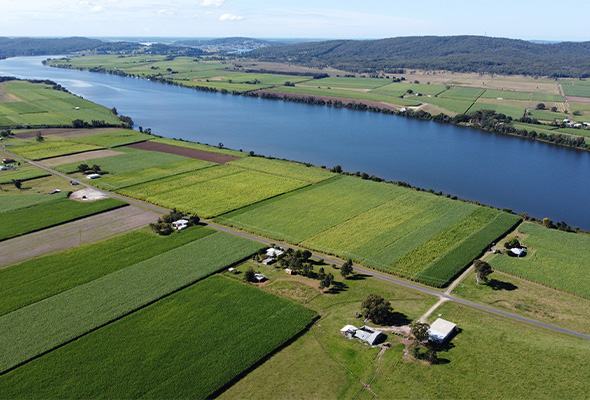
The Northern Rivers region of New South Wales has been home to sugarcane cultivation for over 150 years. Spanning 34,000 hectares, this area supports 500 farming families who produce up to 2 million tonnes of sugarcane annually. The region’s three local sugar mills and refinery employ as many as 1,200 people, both directly and indirectly.
Sugarcane burning timeline – Under 5 minutes of burn time
Why Burn Sugarcane?
Burning sugarcane is a long-standing practice essential for efficient harvesting in NSW. Here’s why:
- Pre-harvest Preparation: Burning removes loose and dead leaves, facilitating a cleaner and quicker harvest.
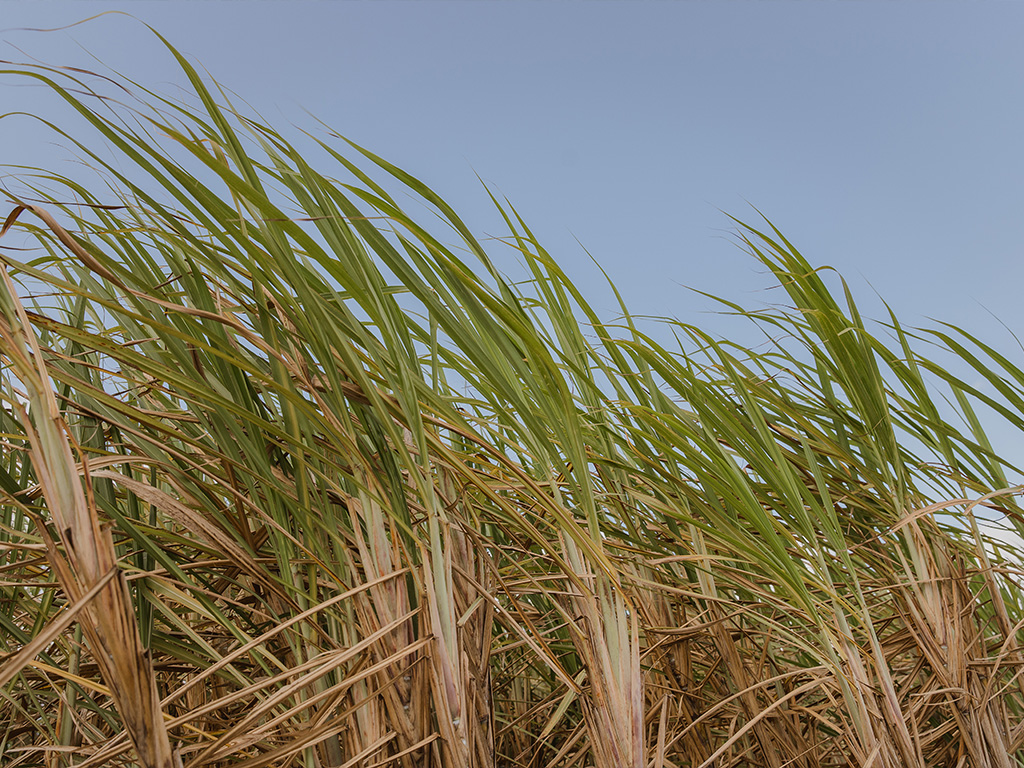
- Climate Considerations: NSW’s cooler, wetter climate leads to more leaf matter (trash) in two-year-old cane crops. Leaving this trash on the soil can lower temperatures and inhibit crop regrowth.
- Environmental Benefits: Research shows that burning cane increases soil carbon storage compared to leaving trash blankets in the field. Additionally, sugarcane fields act as a carbon sink, absorbing 121 tonnes of carbon dioxide per hectare annually and even serving as a methane sink.
Regulations and Monitoring
Cane burning in NSW is strictly regulated under several laws, including the Rural Fires Act 1997, the Environmental Planning and Assessment Act 1979, and the Right to Farm Act 2019. Farmers adhere to these regulations by:
- Monitoring wind direction, velocity, and weather conditions before burning.
- Avoiding burning during adverse conditions to manage smoke and ash effectively.

Sustainable Farming Practices
- Land Management: Laser leveling and drainage system enhancements reduce environmental impact.
- Reduced Chemical Use: Fertilizer application changes have cut usage by over 25%.
- Water Quality: Sugarcane farming has decreased acid discharge into waterways by up to 80%.
Renewable Energy Contribution
The Northern Rivers region is home to two of Australia’s largest renewable energy power stations, located at the Broadwater and Condong mills. Operated by Cape Byron Power, these facilities use sugarcane fiber to produce energy, enhancing regional sustainability.
Explore more about renewable energy initiatives at Cape Byron Power.
For more information about sugarcane farming in NSW or the NSW Canegrowers Association,
contact us by the link below
References
- Quirk, R. (2024). Increased sugarcane productivity and environmental improvement in acid sulfate soils: A win-win system. European Journal of Soil Science.
- Webb, J. et al. (2018). Terrestrial versus aquatic carbon fluxes in a subtropical agricultural floodplain over an annual cycle. Agricultural and Forest Meteorology.